When I See Myself in a Book; or: Book Review of The House in the Cerulean Sea

I wanted to write a book review for The House in the Cerulean Sea by T.J. Klune. But I find that as I think and talk and write about this book, I am also thinking and talking and writing about a handful of other books, so you’ll have to forgive me for being more scattered than usual. Because, you see, I loved this book. I loved this book madly. And I loved this book for some of the same reasons I have for some other books I also love madly. And so they have all become a bit tangled in my brain now.

The House in the Cerulean Sea came out in March, and my friend and employer, Mary, read it and recommended it to me. I put a hold on an audiobook copy at the library, but the waitlist was ENORMOUS and I waited over three months before I finally received it this past Thursday. The audiobook is approx 12.5 hours long. I listened to 3.5 hrs on Thursday evening. I finished the last 9 hours in one go on Friday. I DEVOURED this book, my friends. I adored it.

Having said that, let me backtrack a tad, and talk about myself a tiny bit. I do not feel like a main character. Not in my own story. Not in anyone else’s. For the most part, people like me do not tend to make it as main characters in stories, but every once in awhile I read a book or a see a movie (but it’s usually a book), and I see myself. At least a bit. There are some characters that I feel so much kinship with that it is mildly embarrassing, and that usually means I will end up loving that book like a piece of my own soul, because in these books this person who looks and feels like me somehow actually gets their happy ending.

Characters like Anne Eliot, from Persuasion by Jane Austen. Like Bastian from Neverending Story. Lirael from Garth Nix’s Old Kingdom series. Sophie from Howl’s Moving Castle. And now, Linus Baker from The House in the Cerulean Sea.

These characters are intelligent, and honorable, but they are quiet, and painfully shy; they are awkward, or bullied, or ignored, or invisible; they are sad and gray and desperately lonely, and resigned to their fates.

And perhaps it is melodramatic to say that that is also me. But something can be a tad melodramatic and also be true.

I see these characters like me, who live quietly desperate routine lonely lives with no hope of being or doing anything special, and then I see these characters GET TO LIVE and to LOVE. The adventure finally comes. The world finally sees them. Love finally finds them. And it gives me hope. (Though I’ll admit that often, once I finish a book with this character, I also find myself weirdly depressed, as I reflect on the fact that I am not likely to ever get a similar happy ending. I am more like these characters at the beginning of their stories, when they are sad and lonely and resigned, than I will ever be like them at the end of their stories.)

So, to return to The House in the Cerulean Sea by T.J. Klune.
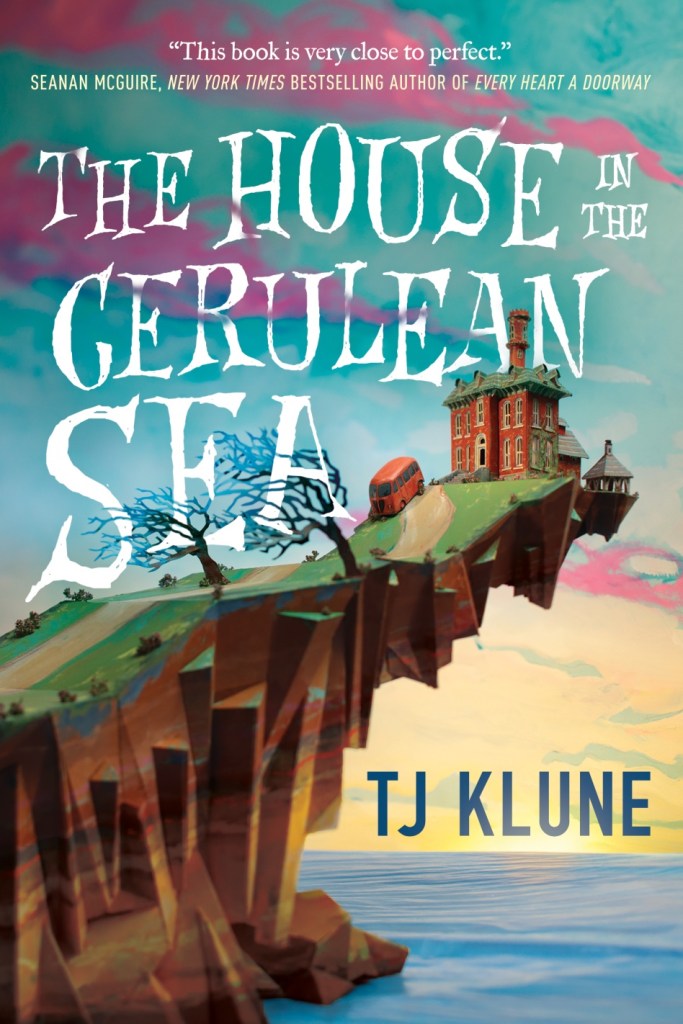
Book: The House in the Cerulean Sea
Author: T.J. Klune
Release Date: March 2020
Source: borrowed from the library
Rating: 6 out of 5 stars (can I do that? Guess, don’t care! Just did!)

The House in the Cerulean Sea follows main character Linus Baker: Linus is overweight and out of shape, he’s forty, he’s desperately lonely, and resigned to his fate. He is a case worker for the Department in Charge of Magical Youth, because in this version of Earth (it IS Earth, they have computers, and record players, and Linus’s favorite music is oldies like The Big Bopper and Sinatra), magical beings exist. But these magical creatures are heavily monitored; they have to be registered and they are not allowed to hold positions of power or authority (in other words, they are a hugely oppressed minority). Linus inspects orphanages for magical youth (not all magical children are orphans but many of them are), but unlike most case workers, Linus really cares about the welfare of the children, and looks for problems like Masters who abuse or take advantage of the children under their care.

With a reputation for being objective, keeping distance from the children, and very thorough, Linus is brought before Very Upper Management, and given a top secret case: to go visit and live at a top secret orphanage on an island, run by a man named Arthur Parnassus, who has six children under his care. Linus is supposed to look for any issues, because Very Upper Management has “reasons for concern.” It seems pretty clear from the get-go, however, that they are just looking for an excuse to shut it down.

Linus arrives at the orphanage to discover that the children there are unlike any other magical children he has ever seen or heard of. These children are: a female garden gnome with the beard and everything!, a Forest sprite more powerful than any other he’s met, a wyvern (whom people used to think of as animals, but do in fact have intelligent and complex emotions and language, just not human language), a tall shy black kid who is a were-POMERANIAN!, a green blob named Chauncey whose greatest ambition in life is to be a BELLHOP, and a six year old boy who is the literal Anti-Christ.

And then there is the Master of the orphanage, Arthur Parnassus, who is very charming and cares deeply for the children under his care. Linus, unsurprisingly, immediately develops a crush on him.

And folks, it just gets more adorable from there! 

This book is funny, and charming, and quirky, and delightful in ways I cannot begin to express! It deals with deeply emotional issues like child abuse, and racial (or in this case, SPECIES) prejudice and oppression, and despite this it manages to be one of the happiest, most hopeful books I’ve read in YEARS. I smiled like a madwoman through the whole thing. And when I finished the audiobook from the library and returned it (and saw that there was now a six month wait on the book!), I immediately bought the ebook AND audiobook so I can read it again.

I identified so strongly with poor, put-upon, lonely dumpy Linus — who is finally given the opportunity to show how honorable and good and kind he is while staying at the orphanage — that it is mildly embarrassing. And I fell in love with Arthur and the children right along with Linus, the whole way through. I am a sucker for quirky odd funny characters, and found family tropes, and this book gave it to me in SPADES. I think this might end up being my favorite book of the year. (Unconquerable Sun held that honor a few months ago, and that is still definitely near the top as well!)

I have a handful of books that I love dearly, and will go around used bookstores buying up paperback copies just so that I can hand them off to people I love, whom I want to share my favorite books with. I don’t do this with some books I love that are so well known, I have no doubt most people have at least heard of them, if not read them (so for instance, I don’t generally do this with Dune or Watership Down, even though they are my favorite books of all time, because most people are already familiar with them). Instead, I do this with books I adore that have not gotten quite the same circulation. Books like Sunshine by Robin McKinley, and Dragon Prince by Melanie Rawn, and We by Yevgeny Zamyatin, and Neverending Story by Michael Ende (though the movie is so well known, not nearly as many people have read the book!). I can guarantee that as soon as the paperback version of House in the Cerulean Sea is released next year, this book will definitely be added to that prestigious list. In the meantime, since I cannot buy every single one of you a copy to read (I’m poor, people! Or I totally would!), please please please go do yourselves a favor and GO BUY IT NOW! Or borrow it from the library! Either way, just READ IT!

Edit at 4:20pm: I bought the ebook and audiobook for House in the Cerulean Sea, but I SWORE to myself that I wouldn’t read them until after I finish the other three books I’m SUPPOSED to be reading right now (those being: Name of the Wind, The Arrest, and Hall of Smoke)… but… that resolve may end by tonight… I just LOVED IT SO MUCH FOLKS!
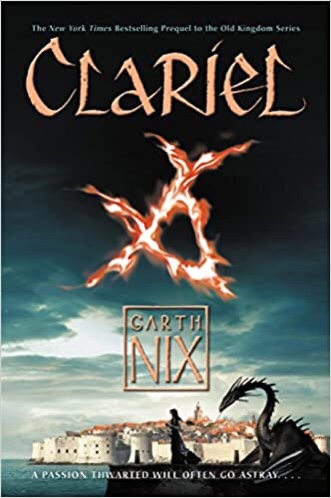

Book Review: Clariel

Book: Clariel (Book 4 of The Old Kingdom series)
Author: Garth Nix
Release Date: 2016
Source: owned
Rating: 4 out of 5 stars

I’ve been working my way back through the Old Kingdom series by Garth Nix, as I have read the original trilogy several times, but never got around to reading the prequel (Clariel) or the sequel (Goldenhand) or the two short stories collections that include a couple Old Kingdom stories. So I decided to work through these as part of my “Finish the Series” 2020 reading challenge.

I knew I loved the first three books – Sabriel, Lirael, Abhorsen – and I trust Garth Nix implicitly, so I went into this book with high expectations. And for the most part, I was not disappointed. I noticed online that some people did not like this book as much as some of his others, but I disagree with most of the criticisms. Is it my favorite book in the series? No, of course not. But I thoroughly enjoyed it.

To give a brief description: Clariel takes place approximately 600 years before the events of the original trilogy, so as far as prequels go, it went pretty far back! The main character, Clariel, is a distant relation of both the King and the Abhorsen (and for those familiar with the books, you understand why this is important), but she wants only to become a “borderer” who monitors and protects the great forests of the kingdom, and to be left alone. Her family and political forces behind the throne have other plans however. Dragged against her will away from her home village to the capital city, she is forced to learn how to be a “proper lady” while the governor manipulates events in an effort to marry her to his son, depose the king (who has gone slightly mad and relinquished most of his responsibilities to the governor), and make her his puppet queen. At the same time, forces loyal to the king and the line of succession try to use Clariel to lure a dangerous free magic creature helping the governor out of hiding, and hope to make her a regent in a temporary effort to protect the royal line. (And folks, it just gets more complicated for there!)

Throughout all of this, Clariel discovers she is a Berserk (she goes bloodthirsty with rage when under threat or in high-stress situations) AND she has an affinity for free magic – which is considered highly dangerous and antithetical to human society. While trying to avoid all these political machinations that are attempting to control her, and while trying to find a way to escape back to the forest and the only place she has ever been happy, Clariel slides deeper and deeper into a life of violence, death, and bad decisions.

SPOILER ALERT! SPOILER ALERT! SPOILER ALERT!

It is difficult to talk about why this book is so interesting and unique to me without getting into some spoilers. Some of these spoilers will not be a surprise to people who have read other books in the series, but I still want to give you plenty of warning!

Ready? Ok, here we go into spoilers.

In the original trilogy, there is a character – a villain, one of the people working for the main antagonist – named Chlorr of the Mask. I suspected from the get-go that Clariel was going to end up BEING Chlorr of the Mask. I think anyone who comes into this book with some knowledge of the series would also suspect this. And we would all be correct.

So, what makes this book so interesting is that it is literally the descent of a main character into, perhaps not evil exactly, but amoral self-serving behavior that she manages to rationalize to herself for most of the book. It is a villain origin story. In some ways, it reminded me a bit of the Star Wars prequel trilogy, as we watch Anakin Skywalker, through both manipulation and a series of bad decisions based on fear and anger, fall into darkness and evil. Some online reviews have argued that Clariel’s descent was too quick and not sufficiently developed, but I disagree. I think it was very well done. In fact, I think it was done in a much more believable manner than that of Anakin Skywalker. Her motives, and the ways she is manipulated and tricked by outside forces, were well-written and developed, and fit the character and the world very well.

And, of course, the prose was beautiful and powerful, as Garth Nix’s writing always is.

This is not the first or only book to feature an evil origin story. But I do think such stories are outside the norm, especially in YA (and especially when this book was released in 2016). And I appreciate that Garth Nix did something a bit different and unique, in writing a character that we can totally sympathize with, and even like, while also recognizing that many of the decisions she makes are wrong. That, to me, is the sign of a well-written and complex character.

One other characteristic of note about Clariel is that she is, I believe, written to be asexual/aromantic. And that is EXTREMELY unusual in any fiction, especially in YA. There are many points in the book where Clariel explicitly states that she has no interest in romance, or falling in love, or sex. At one point, she says she isn’t interested in boys, and her aunt suggests maybe she’s interested in girls (which is totally fine to these characters!), but Clariel says, no. She isn’t interested in any of that. At another point, she explains that she experimented with sex a couple times and simply did not understand the appeal. And one of the characters throughout the book expressed romantic interest in her, and she rebuffs him every single time. At no point does the story imply that she just needs to be won-over, or that she hasn’t find the right person. This is just who she is. And I really loved that.

Clariel is not, I think, quite as well-plotted, or as beautifully written, or as emotionally impactful as the original trilogy. But I think it holds up with the rest of the series very well, and I really enjoyed it, and I would recommend it to anyone who has read the first three books and was undecided about whether or not to continue.

Recent Acquisitions and a Mini-Review

My book buying habit has been a bit out of control recently, and so I have a bunch of recent acquisitions to share. So! A catalogue of recent book purchases that have been added to the TBR pile:

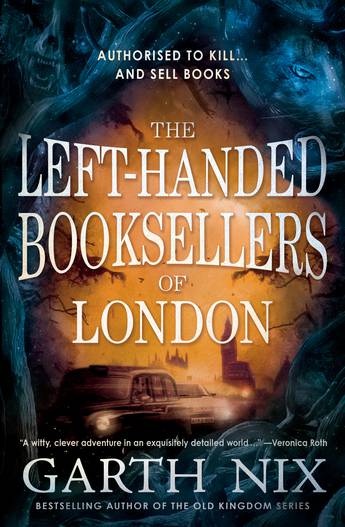
The Left-Handed Booksellers of London by Garth Nix (a new book by one of my favorite authors! I received an ARC of this through work, but never got around to reading it, and I knew I wanted to buy a copy anyway, so here we are!)

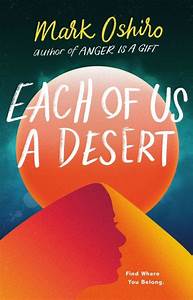
Each of Us a Desert by Mark Oshiro (I have not read Mark Oshiro’s other work, but this book sounds really interesting and unique, and I watched a virtual book tour talk he gave, and he seemed really cool too, so I bought it!)

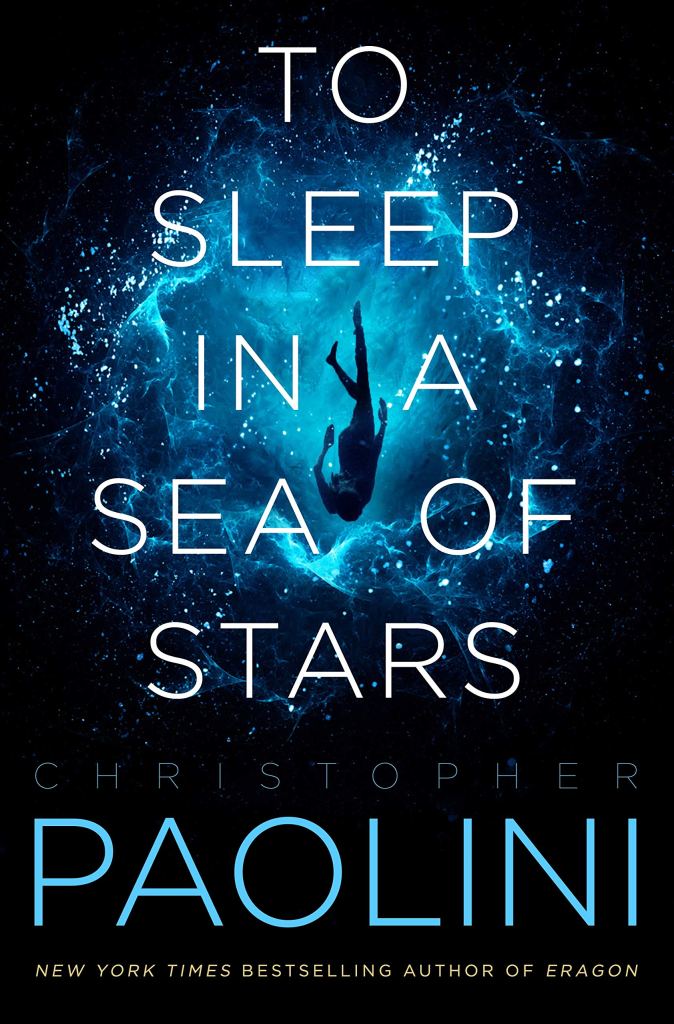
To Sleep in a Sea of Stars by Christopher Paolini (I have had this book on pre-order for MONTHS. I was so excited when it finally showed up!)

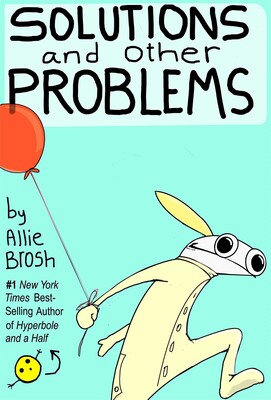
Solutions and Other Problems by Allie Brosh (I ADORED Allie Brosh’s blog, and I bought her first book and loved it with a fiery passion. I was shocked and delighted when I found out she was releasing a new book after 7 years! I ordered it immediately!)

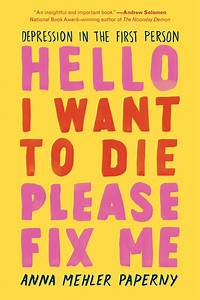
Hello I Want to Die Please Fix Me: Depression in the First-Person by Anna Mehler Paperny (this title, and the subject of this book, is something I understand deeply, and struggle with on a daily basis, so… yeah.)

The Space Between Worlds by Micaiah Johnson (I got this as my August Book of the Month book, and then kinda just forgot about it. But it looks amazing and its definitely on the TBR list!)

The Arrest by Jonathan Lethem (I received this ARC through work, the book comes out in November. I’m about 1/3 of the way through so far, and I really like it. I’ll do a full review of this one later!)

So that’s my recent acquisitions. In addition, I wanted to drop a very quick short mini-review for a book I did not finish. I received an ARC of Midnight Bargain through work, but…

The Midnight Bargain by C.L. Polk
Release Date: October 2020
Status: DID NOT FINISH

I only got about 1/4 of the way through this book, which is a shame because I really tried to like it. It’s basically a second-world version of a Victorian fantasy romance, which I usually love. And the basic premise is, if a bit derivative and well-worn, was enjoyable enough. The basic plot is this: in a world reminiscent of Regency or Victorian England (but not), where magic is real, a young woman named Beatrice wants to be a sorceress. Both men and women are capable of magic, but only men are allowed to practice it, and women are barred from it once they become married because of fears of danger to an unborn baby. Beatrice doesn’t want to get married though, she wants to practice magic, and she is willing to make a deal with a mischievous spirit in order to make that goal a reality. Unfortunately, for her, she just happens to meet a charming man who seems to actually SEE her for who she is, and the romance that threatens to blossom between them, could undue all her ambitions.

It’s not a bad plot. Like I said, a bit well-worn, but certainly capable of being made interesting, entertaining, even compelling in the right hands. But the characters were very one-note, especially Beatrice. The love interest has a tad more personality and could be a very swoon-worthy leading man, but the very SUDDEN nature of his romantic interest was… hard to swallow no matter how much “suspension of disbelief” I threw at it. The dialogue was clunky and inauthentic, and the narrative prose was… not great. I was surprised because C.L. Polk’s other books (Witchmark, etc) are very highly regarded, so I was expecting this to be better. But overall, I was just unimpressed and uninterested. I’m a little worried it might just be ME, that I’m missing something, or being too critical, but… *shrug* There are too many books, and time is too limited to keep pushing through something that is clearly not working for me.

Ironically, I am currently also reading Clariel by Garth Nix – it’s the fourth book in the Old Kingdom series – and it has a somewhat similar plot to Midnight Bargain, and does it SO MUCH BETTER. The main character, Clariel, comes from a family with distant connections to the king, and a series of political machinations mean to marry her off, put her on the throne, and make her a political puppet. But Clariel has no interest in marrying anyone (I think she’s written to be aromantic/asexual even!), she has no interest in the throne, or magic, or the city: she just wants to go be a solitary hunter/border patrol in the great forests, and she’s willing to do some questionable things to get what she wants. Like I said, somewhat similar plots, but the difference in writing is ENORMOUS. All the characters in Clariel are much more real, flawed and complex and interesting. And the prose is just WORLDS AWAY better. It’s been a very apt comparison, and its pure coincidence I happened to be reading them at the same time, to make that difference in quality so much more apparent. But here we are.

Book Review: The Girl Who Circumnavigated Fairyland in a Ship of Her Own Making

Book: The Girl Who Circumnavigated Fairyland in a Ship of Her Own Making
Author: Catherynne M. Valente
Release Date: 2011
Source: owned
Rating: 5 out of 5 stars

Well hello, all! It’s been awhile (almost a full month to be exact), and I haven’t written a thing since my last blog post. Not a thing! It’s quite horrifying. But I’ve just been so swamped with work and general life nonsense, and any free time I had (which wasn’t much) was mostly devoted to passing out.

BUT, I come bearing a new book review, so I hope all is forgiven!

The Girl Who Circumnavigated Fairyland in a Ship of Her Own Making by Catherynne M. Valente is one of those books that I have been meaning to read for AGES. I started it once, a couple years ago, but only got about 4 or 5 chapters in before something happened — I don’t even remember WHAT — to distract me from the book and I never got back to it. Until now!

I downloaded the audiobook, since lately the only time I’ve had to “read” is when I can listen to an audiobook while I work (which has made getting through my stack of ARCs extra difficult, since those don’t generally come in audio format, more’s the pity). And I “read” the audiobook in like two days flat!

Folks, it was SO GOOD!

I suspect most people have at least a vague idea of what the book is about, since it’s been out for so long already (it was released in 2011!), but BASICALLY: The Girl Who Circumnavigated Fairyland in a Ship of Her Own Making is a portal fantasy in the fine tradition of Alice in Wonderland, The Wizard of Oz, etc. It follows the adventures of a young girl named September who one evening is whisked away from her home in Omaha, Nebraska by The Green Wind (as a dashing gentleman in a green coat, riding The Leopard of Small Breezes). September is a smart, precocious child who hates pink and loves anything orange, who reads a lot, and who is described as being “somewhat heartless” (but our narrator assures us that ALL children are born a bit heartless and their hearts grow as they grow). Her father has gone off to war (the book never says which war, but I get the impression it’s WW1?) and her mother works in a factory building engine parts. September doesn’t want to be in her house, or in Omaha (at one point the narrator says Omaha isn’t a place for ANYONE to be, and I laughed out loud because my best friend lives in Omaha), so she leaps at the chance to go on an adventure with The Green Wind.

But the moment September enters Fairyland she is alone, because The Green Wind cannot get the right visa to be allowed in, so she must travel on her own, with nothing but her own wits and courage to keep her going. In Fairyland she meets witches, a wyvern (who may be half-library on his father’s side) named A-through-L, a a marid named Saturday, and comes face-to-face with the villain of the story: The Marquess, who may or may not have killed the previous ruler of Fairyland, Queen Mallow.

And then the story gets CRAZY.

This story is beautiful and odd and heart-breaking like all the best portal fantasies are. The prose is lyrical and clever and arch, with the narrator often breaking through to speak directly to the readers in ways that are both hilarious and illuminating. The characters and imagery are so strange and unique and fascinating, as they should be in the best kinds of portal fantasy. This story feels like a classic, like it’s been around for decades and decades, not just 9 years!

The backstory of the Marquess (I’m trying not to be spoilery here) made me legit cry, because it is precisely the thing I think about at the end of every portal fantasy, the thing that I fear, the thing that breaks my heart at the end of so many stories. When I got to that scene, I had to stop and cry for awhile before I could continue.

Supposedly, this book (and the whole series) is targeted at the middle grade readers market, for ages 10-14. And it certainly shelved and sold in the children’s sections at most bookstores. But I feel like an adult is actually going to get more out of it than a child will. There are parts, especially some of the things the narrator says, but also things like the Marquess’s backstory, that are almost certainly meant for an adult to read and appreciate and FEEL deeply, in their bones.

The ending was bittersweet and I had to sit back and let it soak in. But I am comforted by the fact that there are more books to read — four more books, in fact, plus a short story prequel! Thank goodness.

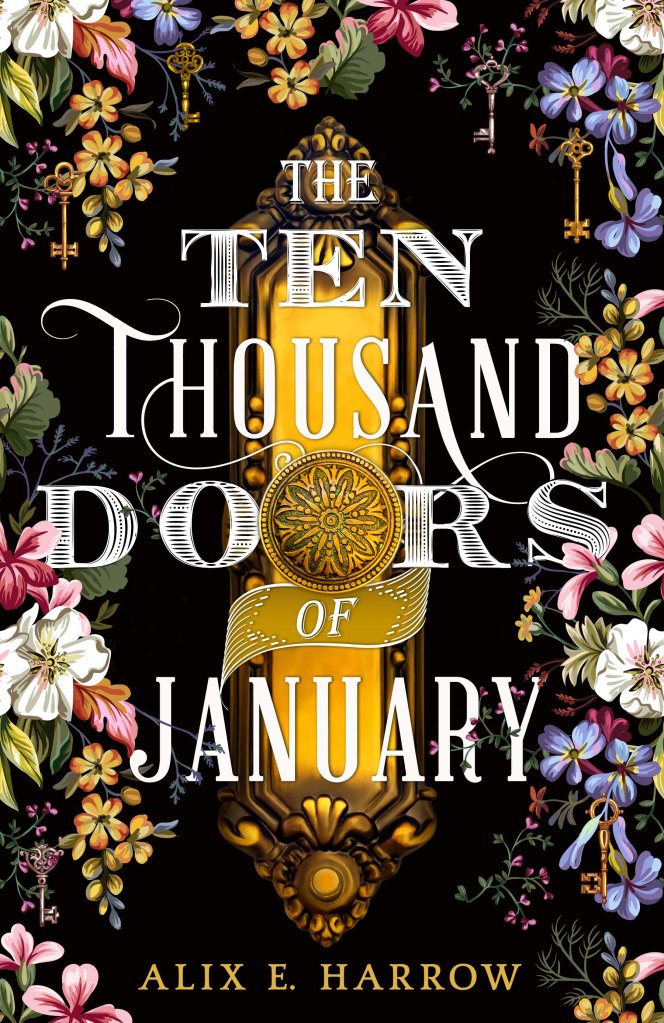
As a side note, I firmly believe that September from this story, and January from Alix Harrow’s The Ten Thousand Doors of January are best friends in some parallel universe. Just so you know.

If, like me, you kept meaning to read this book but hadn’t yet, consider this your call to action. Go! Now! Read!

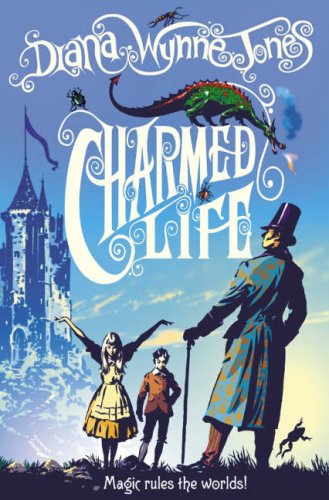
Book Review: Charmed Life

Book: Charmed Life (Book 1 of the Worlds of Chrestomanci)
Author: Diana Wynne Jones
Release Date: 1977
Source: Borrowed audiobook from the library
Rating: 5 out of 5 stars

As part of my 2020 “Storm the Castle” Reading Challenge, I needed to read three books that had been on my TBR list ten years or more. I read Solaris, and A Wrinkle in Time, and last for that part of the challenge, I chose Charmed Life by Diana Wynne Jones.

Charmed Life came out in 1977, and it is the first of the Worlds of Chrestomanci series (I think The Lives of Christopher Chant, which is probably the most popular of the series). I read Diana Wynne Jones’ Howl’s Moving Castle and its two sequels: Castle in the Air, and House of Many Ways ages and AGES ago. I had always planned on reading more of her books but never seemed to get around to it. So, I finally did it! (Admittedly, I “read” the book on audio, which is the only way I’ve been able to get any reading done lately, because it can often do it while I’m working).

So, Charmed Life follows the misadventures of young Cat Chant (real name Eric, but everyone calls him Cat), who is an orphan with his sister Gwendolen. Their parents died in a boating accident, during which Cat himself almost died but survived by clinging to Gwendolen who showed signs of being a witch at a young age and therefore could not drown. Cat spends all his time following behind his sister, who is older, talented, very bossy, and taking magic lessons from the local magician, Mr. Nostrum.

Gwendolen is very bossy, and strong, and often very mean to Cat (and others). At one point she turns Cat’s violin (he’s been taking music lessons) into an actual cat, who then runs away. And Mr. Nostrum is very happy to encourage these tendencies. I don’t think it’s too much of a spoiler to say that it becomes clear very quickly that Gwendolen is going to be one of the main antagonists (dare I say villains) of the story.

By a series of incidents orchestrated by Gwendolen and Mr. Nostrum, Cat and Gwendolen are eventually adopted by the mysterious Chrestomanci – a tall elegant man who is clearly feared by Mr. Nostrum and respected by many others, though it is very unclear to Cat (and to the readers) exactly WHY. At Chrestomanci’s Castle, Cat and Gwendolen meet Chrestomanci’s wife Millie and two children, Roger and Julia, who have magical abilities like Gwendolen. The castle has strange magical properties of its own as well. Gwendolen immediately takes a dislike to absolutely everyone, and starts a campaign of childish but magically-fueled terror on Roger, Julia, Chrestomanci, and the rest of the household. She tries again and again to force Chrestomanci to react to her and notice her, but Chrestomanci mostly ignores her, until she finally goes too far and her magic is taken away as punishment.

Things don’t go TRULY nuts, however, until Gwendolen manages to remove herself to another dimension, pulling a replacement version of herself called Janet from another another dimension to hide her disappearance. Suddenly, Cat has a series of disasters on his hands: an evil sister gone missing to who-knows-where, a replacement who doesn’t understand that magic exists and needs constant watching over as no one else has noticed she’s not Gwendolen, several threats of magical retribution on his head for various misdeeds actually perpetuated by Gwendolen, and Mr. Nostrum who has come calling with some dark secret plan he expects Cat to help him with.

How all of this insanity gets resolved, I will leave to you all to read and see for yourself.

I really enjoyed this book quite a lot. It has Diana Wynn Jones’ signature charm, wit, and dry humor. It is not funny on a level like, for instance, Terry Pratchett, but there were quite a few parts that made me chuckle out loud. Chrestomanci, in particular, I found very funny in that dry, sarcastic, “I’m pretending I’m oblivious and don’t know what’s going on” way that I always appreciate and enjoy. On top of that, I routinely hit parts on the book where I thought “I don’t see how it could get more insane than this!” And then it DID. Cat does some things that frustrated the hell out of me, in that “no! Why! Don’t! Go tell an adult!” way, but it all made sense for the character. And it fits that very traditional way in stories in which children never feel safe to actually just tell an adult that they’re in trouble and need help.

Somewhat ironically, when I started writing this review yesterday, just a few hours after finishing the book, I had planned to get it a 4 out of 5. I really enjoyed it, but I was thinking “was it so great as to deserve a 5?” But then this morning, when I was getting a new audiobook loaded to listen to while I worked, I found that I really just wanted to listen to more Charmed Life – which, of course, I couldn’t as I had already returned the book to the library and my library doesn’t have any of the rest of the Chrestomanci series available. So that indicated to me that I had actually enjoyed it even more than I, at first, realized. And it has been lingering in my thoughts all of last night and today. So, it does deserve a 5 out of 5 after all!

If you, like me, have been intending to read more (or any) books by Diana Wynne Jones and just never seem to get around to it, consider this your sign to get started now! I highly recommend this book! And I fully intend to read the rest of the series when I can get them (either on audiobook, or perhaps in print, from my used bookstore).

In Search of Portal Fantasies

It’s been well-established that I love fantasies. Both in written and visual media. And one of my favorite sub-genres of fantasy is the portal fantasy: stories in which a character finds a way to step through a portal/door/passage/etc out of the “real” world and into a fantasy world.

There are many many examples of this narrative in written texts, especially in children’s literature. Some of our best classics are of this genre, including The Chronicles of Narnia and The Neverending Story and The Wizard of Oz. There have been more adult versions of this genre as well, of course. Neverwhere by Neil Gaiman, and more recently Alix E. Harrow’s The Ten Thousand Doors of January jump immediately to mind. And there are others that maybe skirt the edge of what does and does not count — for instance, Edgar Rice Burrough’s Barsoom novels (Princess of Mars, etc) are technically part of a sub-genre called Planetary Romance, but because John Carter finds what is essentially a magically means of transporting from Earth to Mars it sort of fits (even though Mars is, of course, just a planet in our same universe and not actually some separate magical universe or dimension).

In any case, there are dozens and dozens, probably hundreds, of examples in literature. But I am trying to come up with a list of examples in FILM, and it is a little more difficult. There are plenty of obvious ones, of course, and most of those are film adaptations of books already mentioned such as The Neverending Story and the Chronicles of Narnia, but I feel certain there are many more films than just the ones I can think of. I’ve tried googling, but it has been less than helpful. If anyone has any suggestions I can add to the following list, I would love to hear from you! Please share!

So, here’s my list of portal fantasies in film that I can think of:

  1. The Neverending Story
  2. The Chronicles of Narnia movies
  3. The Golden Compass (sort of — the portal fantasy element becomes more evident in the later books and doesn’t show up in the movie much)
  4. Wizard of Oz
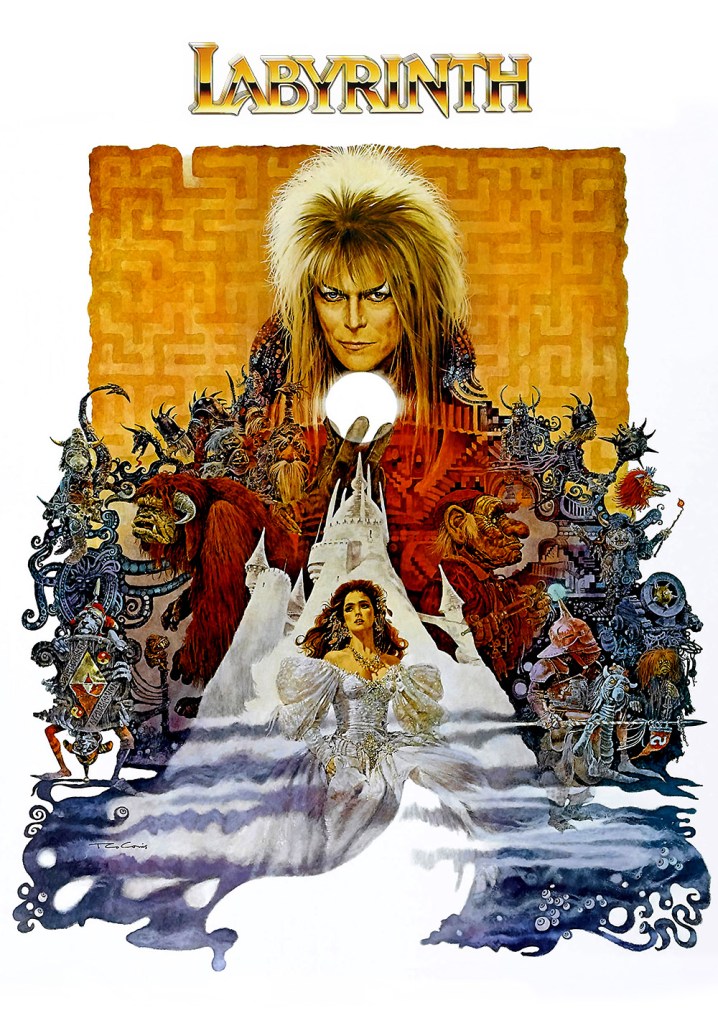
  5. The Labyrinth
  6. Coraline
  7. Stardust 
  8. Alice in Wonderland (all the iterations)
  9. Enchanted
  10. Time Bandits
  11. The 10th Kingdom
  12. The Pagemaster (who else remembers this movie from the 90s!?)
  13. The Flight of Dragons (even more obscure! I seem to be the only one who remembers this movie!)
  14. Neverwhere (surprisingly, this tv movie version came before the book this time!)
  15. Mirrormask (also by Neil Gaiman!)
  16. Spirited Away
  17. Escaflowne
  18. Stargate (not really, of course, since its SF and the portals go to actual planets in “our” universe, but I feel like Stargate is in some ways the SF answer to portal fantasy)

As I said, surely there are more that I just can’t think of! If you know of any good ones, please let me know!

One thing to note: I have not included much anime, other than Spirited Away and Escaflowne, because usually those fall into a slightly different category. A lot of anime (though not all) that sort of fits this category is called Isekai anime, and while they are technically portal fantasies, they follow a very specific formula of characters falling into RPGs — all the way down to containing the usual RPG elements such as classes, guilds, and CP or HP, etc. And these just… feel different to me (and they all start to be exactly the same after awhile – see examples such as That Time I Got Reincarnated as a Slime or Sword Art Online). This type of anime didn’t ALWAYS follow that formula, older ones such as Magic Knight Rayearth and Fushigi Yuugi certainly didn’t. The recent boom of Isekai anime (and manga and light novels) in the last 10 years or so has certainly all been of this type.

Edit made 19 July 2020:
I have been reminded of a few more portal fantasy films that I had forgotten about:
Pan’s Labyrinth
Warriors of Virtue (such a cheesy movie, and several of my colleagues scoffed at it, but I LOVED this movie as a kid!)
The Phantom Tollbooth (a classic! How dare I forget this movie!)
Little Nemo: Adventures in Slumberland
Jumanji
Zathura
(Jumanji’s cousin, lol)

Reading Challenge Update, July 2020

Photo by 🇸🇮 Janko Ferlič on Unsplash

I’m sure no one actually cares about this, so this post is mainly for myself to keep track of my progress, but here is how I’m doing on my 2020 reading challenges!

Overall, I have read 24 books so far this year. I know this is small potatoes to a lot of big readers (and years ago, it would have been small potatoes to me too), but considering just a couple years ago I wasn’t reading AT ALL, this is great progress for me! And considering that in 2019, I read 29 books in the whole year, I’d say 24 is really really good. I’m on track to read approximately 50 books by the end of the year. We’ll see if that trend continues.

For my “Storm the Castle” 2020 Reading Challenge, I have read 13 of the 21 books in the challenge, so I’m over halfway there! In fact, I’m also ⅔ of the way through! I have slowed down on that front the last month or so because I’ve been reading a lot of books that don’t count towards the challenge. But I’m ok with that. Particularly because some of the books I’ve been reading count toward the “Finishing the Series” 2020 Reading Challenge instead.

For the “Finishing the Series” challenge, I have completely FINISHED the Artemis Fowl series! Eight books down! In addition, I have read books 1-6 of The Dresden Files series. I suspect I will not actually finish THAT series by the end of the year as there are currently 15 books in the series, AND books #16 and #17 are being released in July and October! Still, I am making good headway on that series. In addition, I am currently re-reading Sabriel by Garth Nix, the first in the Old Kingdom series. I read the original 3 books of that series WAY back in high school and absolutely ADORED them, but never got around to reading the 2 sequel novels and the handful of short stories in the series, so I’m working on that for the challenge as well.

Right this minute, I am reading several books. Sabriel (as I said), Dresden Files book #7: Dead Beat, and I am now starting Hyperion by Dan Simmons, which is on my “Storm the Castle” challenge list. I also JUST received the ARC for Garth Nix’s new book The Left-Handed Booksellers of London, which will be released in September. Since I ADORE Garth Nix (see above!), I will probably go ahead and start that one as well.

So that’s my reading progress and plans for the month. How about you folks? What is everyone reading right now? And how are you progressing on any goals you set for yourself for the year? Please feel free to share in the comments!

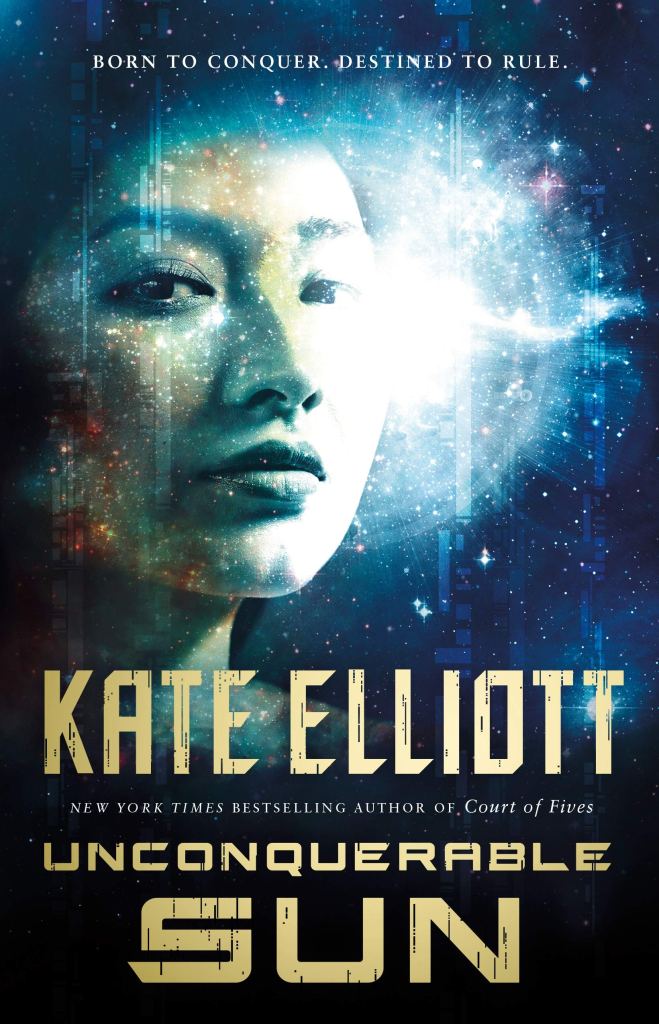
Book Review: Unconquerable Sun

Book: Unconquerable Sun
Author: Kate Elliott
Release Date: 7 July 2020
Source: ARC received  through employer
Rating: 5 out of 5 stars

I had meant to have this review up like two weeks ago, but life being life, things got in the way. So, my review for Unconquerable Sun comes out just in time for the official release. This book is available as of today! Read the review, and then go and buy it!

Unconquerable Sun by Kate Elliott (perhaps best known for her YA series Court of Fives), is a massive space opera played out on an epic intergalactic scale. In this intricately-plotted narrative, ambitious Princess Sun of the Chaonian Republic, heir to the throne of a great galactic empire, must fight to survive the ire of her temperamental mother, the secrets of her foreign consort father, and the political machinations of forces within the empire who wish to remove her as heir to the throne, all while in the midst of a long-standing war with a rival galactic empire. 

The Chaonian Republic has long been at war with the Phene Empire for control of vast swaths of the galaxy, where FTL intergalactic travel is made possible by an ancient system of “Beacons” built by a long-dead civilization. Now, as the efforts of Princess Sun have given Chaonia a great victory in the war, and the Phene Empire readies for a massive counter-assault, Sun must deal with an attack from within her own ranks. Her mother, Queen-Marshal Eirene, is temperamental, volatile, suspicious, and under constant critique for choosing Sun’s father (a Royal of an enemy government) as one of her consorts, and therefore does not trust her own daughter. On top of that, someone among the Noble families is attempting to either kill or discredit Sun and the retinue of Companions she keeps by her side. Along the way, Sun allies herself with a diverse array of characters – including her secret lover, an unstable prisoner of war, a woman who may or may not be a spy, and the winner of a pop media Idol contest. Each of these allies, and many more besides, have secrets and goals and ambitions of their own. It is anyone’s guess who can be trusted, and who will betray the princess.

Kate Elliott is, of course, a highly respected writer of both adult and YA sci-fi/fantasy, and this novel may be her best yet. The world (or galaxy) building is detailed and immense. Because of this, the first fifty pages or so are dense and a bit difficult to push through. Elliott does not shy away from throwing a vast amount of information, terminology, slang, and names at the reader, and leaves it up to you to keep track of it all and connect the necessary dots. I personally have no problem with this kind of “throw them into the deep end and see if they can swim” kind of writing, but some might have difficulty with it. I promise, however, that the effort is rewarded by a intricate plot full of political intrigue and fast-paced space battles, which pulls much of its inspiration from the stories of Alexander the Great (indeed, one of the taglines for the marketing of the book is that it is a “genderbent Alexander the Great on an interstellar scale”).

In addition, many of the cultural details of the worlds and peoples in this novel are pulled from a variety of cultures such as ancient Greek and Roman, a few different Asian religions, and even a bit of the Romani — all mixed, combined, and riffed-off-of in unexpected ways. Perhaps my favorite aspect, however, is that the characters feature a diverse range of ethnicities, sexualities, and complex beliefs/motives. I think perhaps a good ⅔ of the characters are queer of some variety or another, and there are black, brown, and “Asian” people all over the place.

This novel is an unapologetic space opera (I saw someone calling it Space Fantasy, which I object to. Space Opera is its own genre and it’s not “fantasy” at all, even if some of the “science” is soft and unexplained). It is a grand adventure, political intrigue, and military scifi, wrapped in a space opera on an immense scale that rivals the works of James S.A. Corey, Kameron Hurley, and Lois Bujold McMaster.

I might be my favorite read of the year so far, and I absolutely cannot wait for the next one!

As I said at the beginning, this book was released today, so it is available everywhere books are sold! You can find it at any of these links (or at your local bookstore, of course – SHOP INDIE!):

Bookshop.org

Indiebound

Book Depository

Amazon

Also! Author Kate Elliott will be in conversation with N.K. Jemisin about the book tonight at 7pm Pacific, through the efforts of Mysterious Galaxy Books. (I will, of course, be attending!)

Fowl by name, Foul by nature

I was a junior in high school when the first Artemis Fowl book came out. Technically, I was not the target market – these are considered middle grade books, after all – but I still enjoy a good middle grade novel from time to time, and this book just looked FUN. So I didn’t “grow up” with Artemis Fowl the way some people did (I know some people who read the books starting in elementary school!), but I have loved them since they first came out. 

I have read all eight books (but I haven’t read the new spin-off about Artemis’s twin brothers yet). And I just recently finished going through all eight books on audiobook. If you like audiobooks, I would highly recommend checking out the Artemis Fowl books on audio. The narrator, Nathaniel Parker, does an excellent job for the most part (my one complaint is that I really don’t like the way he voices Opal Koboi – he does a pretty offensive stereotyped “Chinese” accent for her and it really bugs the hell out of me. There’s absolutely nothing in the text to justify this decision, and I can only assume he was trying to do something different enough to separate her voice from the other characters, but it is NOT GOOD).

Anyway: I LOVE Artemis Fowl.

I think most people are familiar with at least the basic premise, but just in case, let’s cover the basics: Artemis Fowl the Second is an 11-year-old super-genius criminal mastermind. In the first book, his father (Artemis Fowl Senior, who was a career criminal just starting to go straight at the behest of his wife, Angeline) has been missing for over a year. In order to keep the family estate solvent and to fund both his criminal enterprises and his search for his father, Artemis Fowl decides to do one massive heist: steal gold from the fairies. He has come to learn that fairies are not only REAL, but highly advanced and living in secret in an underground society. So he hatches an elaborate plan to kidnap a fairy and steal their gold.

The hapless fairy he manages to kidnap is Holly Short, the first woman-fairy to join the LEPrecon (the fairy police force “Lower Elements Police”  reconnaissance division – get it? LEPrecon = leprechaun? Expect many such puns…). Holly is smart, determined, and more than a little hot-headed. Her commander, Julius Root, is even more so. In the course of trying to rescue Holly, the LEP use time-freezing, release a troll, and recruit the help of a career criminal thief: a dwarf named Mulch Diggums. Meanwhile, Artemis and his faithful, long-suffering bodyguard Butler, discover they are slightly less in control than they first assume, nearly die a few times, and still somehow manage to win and keep the gold they stole.

And that’s just the first book. Each book brings Artemis and his entourage back into the affairs of the fairy peoples. Throughout the series, Artemis and Holly end up best friends pretty much despite themselves, and Artemis becomes an invaluable help and savior for the fairies on several occasions. By the end of it, the completely selfish, amoral Artemis has grown a heart and a conscience, and his character development is slow, complex, and well EARNED by the story.

On top of all that, the books are also exciting, action-packed, and utterly HILARIOUS. I think the funniest book is probably #7: The Atlantis Complex.

For the fun of it, here is the absolutely AMAZING art work for the Chinese edition of the books (which combine into one giant panorama, that I really want an enormous print of!):

by Shayudan on DeviantArt (click on image to go to high res version)

And for people who have already read the books, you should check out this tumblr which has a bunch of hilarious Artemis Fowl memes and other fun fanart: https://iesnoth.tumblr.com/

And if you really want, you can also check out my Artemis Fowl board on Pinterest, which is just a collection of any fanart and memes and silly shit that amuses me: https://pin.it/4QobV76

And now, this brings me to a painful subject. The movie.

When I first heard that Disney was doing an Artemis Fowl movie, I was cautiously optimistic. Almost two years ago they released an initial trailer, and I allowed myself to get more excited than I probably should have. The movie was originally supposed to be released in 2019. And then for unknown reasons, the release was pushed back and the movie was sent back to the drawing board for an extensive number of re-shoots and re-edits. Even the person who made the “Art and Making” of the movie book (which was apparently finished 18 months ago), says that the final product bears little resemblance to the movie HE saw while chronicling the process (that early version apparently was a bit closer to the book material, though it still had made many changes).

When the second newer trailer was released a few months ago, I was horrified. I could tell immediately that they had RUINED it. Ruined the character. Destroyed the story. It was obvious from just the one min trailer that they had removed everything that made Artemis Fowl a fun, interesting, and unique character and turned the story into the same repetitive cliche trite story about a helpless boy who discovers his father has some dangerous secret life, and how must be initiated into that secret to save his father when the father disappears. That story has been told a MILLION TIMES. And on very few occasions these days is it ever told with anything approaching originality or interest.

I had determined not to watch the movie when it came out, not to give my money to a theatre release. Then the quarantine happened and it was announced that the movie would go straight to Disney+ streaming. So, on friday my mother convinced me to just sit down and at least give it a chance.

I was annoyed in the first two minutes. I had to quit after about twenty minutes. I just couldn’t do it. The movie had absolutely NO resemblance to the books. The characters had been turned into practically their exact OPPOSITES. It wasn’t Artemis Fowl. Not even remotely. And what’s more: even if you watched the movie with no knowledge of the books holding you down, it was just a BAD movie, with stale lackluster acting, an awkward stilted script, cheap dumb-downed voice-over narration, and hack editing. It’s just NOT GOOD.

Don’t believe me? Here’s a BUNCH of articles decimating the movie: 

MarySue article: “Artemis Fowl is Terrible Because it Didn’t Trust Audiences”

Forbes Review: “One of the Worst YA Fantasy Movies Ever”

NYPost: “Disney movie destroys beloved books”

Tor.com article: “Artemis Fowl is a CGI candy-coated waste of time”

If you don’t think that’s enough, just check out the #ArtemisFowl and #ArtemisFowlMovie hashtags on Twitter. Because WOW people are NOT HAPPY. (In other words, it’s not just me!)

I just don’t understand why anyone would bother to PAY ALL THAT MONEY for a pre-existing property, if they were going to then turn around and write yet another painfully-trite, excruciatingly-cliche story about a hapless boy who is initiated into his father’s secret life when the father goes missing. Do you have any idea HOW MANY OF THOSE STORIES have been told now? (And very few of them are told WELL). I am absolutely devastated and infuriated and frustrated (but not remotely surprised) by all of this. I know these books could make AMAZING movies or tv if they were adapted well. But I’m not holding my breath waiting for that to happen any time soon. Or ever, probably.

In the meantime, in an attempt to make myself feel better, I am now working on an Artemis Fowl playlist on Spotify. Because that’s just what I DO.

Book Review: The Order of the Pure Moon Reflected in Water

Book: The Order of the Pure Moon Reflected in Water
Author: Zen Cho
Release Date: 23 June 2020
Source: ARC borrowed from employer
Rating: 4 out of 5 stars

The novella The Order of the Pure Moon Reflected in Water by Zen Cho, published by Tor.com publishing, packs a surprisingly emotional punch in its little body. It has been marketed as wuxia-inspired, and it is definitely that (though there are far fewer martial arts fight scenes and flying about than one might expect if you are at all familiar with Chinese wuxia books or films). Instead this slim book is about inner battles and emotional landscapes.

In a vaguely Asian-inspired country under oppressive rule, Guet Imm, a former nun of the respected monastic order called The Order of the Pure Moon Reflected in Water, teams up with a group of bandits who are more than they appear. These bandits are not merely criminals, but political outcasts and rebels, trying to earn money for their cause. The bandits begrudgingly concede to their new companion (when Guet Imm gives them little choice), and accept her help in protecting a priceless religious relic.

Over the course of their journey through forests and mountains, the nun becomes a part of their found family, and inspires one bandit to reconsider the faith he had thought dead forever. And just to keep things interesting, they also have to fight for their lives.

This book is a wonderful meditation on what it means to choose your family and your path, deciding for yourself who and what is important no matter what society has to say on the subject.  It is also a beautiful examination of the joys, pains, and contradictions of religious faith – what means to have faith, to lose it, and to regain it. As a lapsed Catholic with a very complicated and ambivalent relationship to religion, I really appreciated and resonated with this facet of the story.

It is full of fun martial arts film tropes, and also features a gay man and a trans man – and neither of these identities is in anyway questioned or rebuked by any of the characters in the book, which is refreshing.

I gave this novella a 4 out of 5 because I genuinely enjoyed it and I look forward to what this author does next, but it didn’t totally WOW me. It didn’t knock my socks off. (And honestly, I would have enjoyed a bit more of that great wuxia staple: impossible flying-about martial arts fights.) Still, I would recommend it to anyone who enjoys a short fun novella, stories about found families, and/or people who like an Asian aesthetic in their fantasy.

Here is the link to the Goodreads page for this book. And if you would like to pre-order I would recommend either IndieBound or the new online store Bookshop.org (as amazon has been delaying new book releases lately in order to deal with increased shopping for the quarantine situation).